Paris has never been a city that merely displays art; it stages it, choreographs it, and imbues it with a sense of grandeur that transcends the canvas. As 2025 gives way to 2026, the French capital unveils an extraordinary lineup of exhibitions that promise to set the rhythm for the cultural year ahead. From luminous portraits at the Musée d’Orsay to revelatory retrospectives at the Louvre and Fondation Louis Vuitton, these five shows are not just exhibitions, they are milestones in the evolving dialogue between history, beauty, and modernity.

John Singer Sargent (1856-1925)
Dans le jardin du Luxembourg, 1879,
© Courtesy of Philadelphia Museum of Art
1. Musée d’Orsay — Sargent: Dazzling Paris
September 23, 2025 – January 11, 2026
Few artists captured the splendor of Parisian society as incisively as John Singer Sargent. His portraits, all silken gowns and knowing glances, distilled the elegance of Belle Époque Paris while hinting at the psychological complexities beneath. This exhibition will gather the breadth of Sargent’s Paris years, where the city’s light, fashion, and opulence animated his brush. Beyond his famed portraits, the show reveals sketches, studies, and intimate works that illuminate his lifelong conversation with the city. To see Sargent in Paris is to see a master in his element—chronicler of an era that still defines glamour.

2. Musée du Louvre — Jacques-Louis David
October 15, 2025 – January 26, 2026
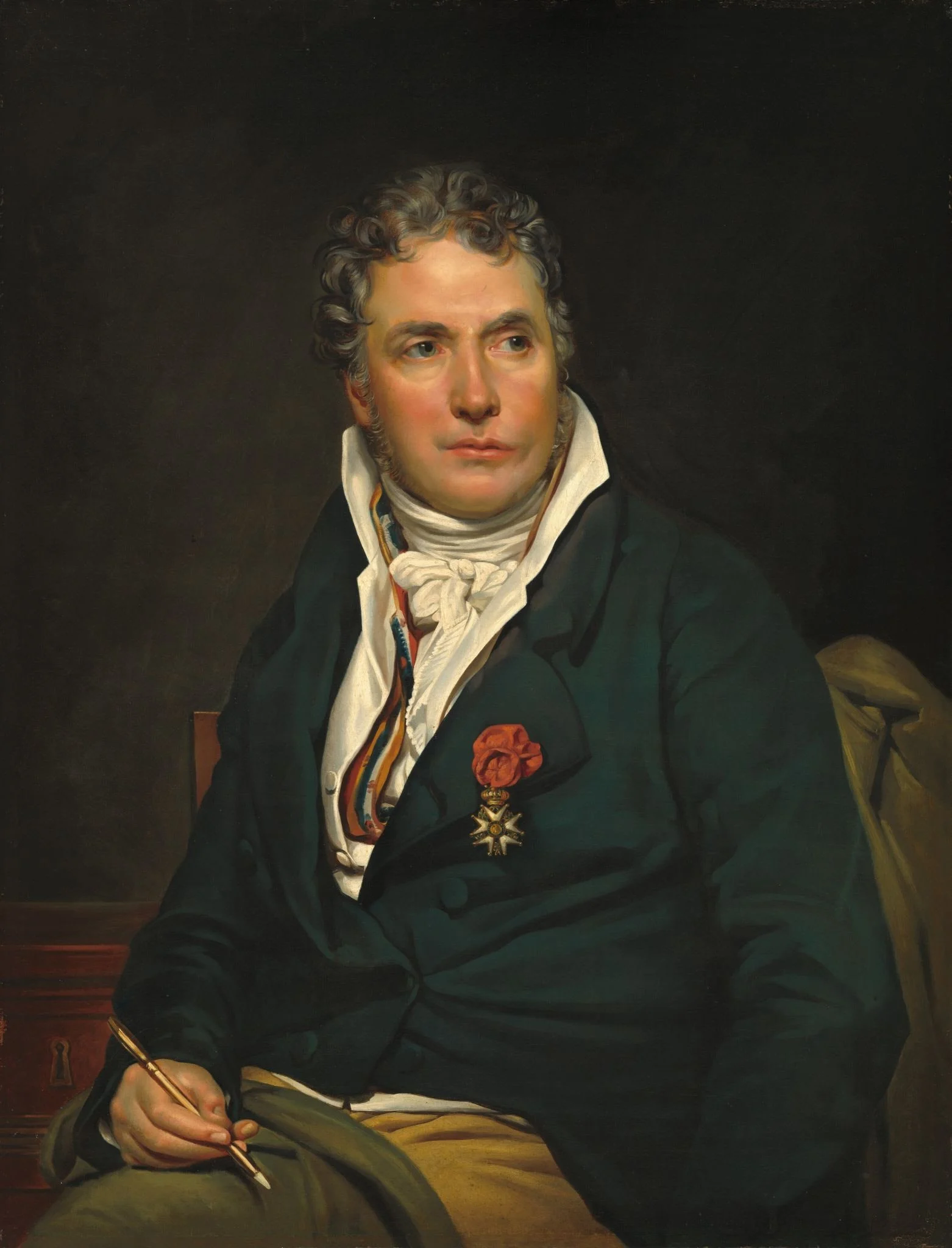
The Louvre presents the first major retrospective of Jacques-Louis David in decades, reclaiming the neoclassical master as both painter and political figure. David was not only the painter of Napoleon; he was a revolutionary whose canvases forged the visual language of power, morality, and myth. This sweeping exhibition will trace his career from Rome-inspired early works to the monumental paintings that became symbols of an empire. Visitors can expect to confront both his artistry and his ideology—an essential reminder of how art can shape the destiny of nations.

3. Fondation Louis Vuitton — Gerhard Richter
October 17, 2025 – March 2, 2026
Few living artists command the aura of Gerhard Richter. At Fondation Louis Vuitton, his canvases—both photorealistic and abstract—take over the Frank Gehry-designed building in a dialogue between architecture and painting. This retrospective is poised to reveal the multiplicity of Richter’s genius: his blurred portraits that interrogate memory, his color-saturated abstractions that throb with rhythm, his glass works that refract light into kaleidoscopic brilliance. It is a career-spanning testament to an artist who has spent half a century probing truth and illusion in equal measure.

4. Musée du Louvre — The Carracci Drawings
November 5, 2025 – February 2, 2026
The Carracci family of Bologna transformed the course of European art with a radical embrace of naturalism and emotion. The Louvre gathers their drawings—fragile, immediate, breathtaking in their intimacy—offering a rare chance to witness genius in progress. From studies of mythological figures to tender sketches of everyday life, the exhibition underscores drawing not as preparation but as revelation. These works, rarely shown outside conservation vaults, allow visitors to encounter the private language of one of art history’s most influential dynasties.

5. Musée d’Orsay / Partnership with the Met — Manet/Degas
(Reference: Met’s 2023–2024 exhibition, with Parisian continuation forthcoming)
Edgar Degas, the chronicler of bodies in motion, finds fresh interpretation through a lens that connects 19th-century modernity with today’s aesthetics. This exhibition positions Degas not only as the painter of dancers but as a radical who explored the vulnerability, strength, and modernity of the human form. Bringing together masterworks from Paris and New York, the show revisits Degas’ obsession with movement—from ballerinas stretching at the barre to women lost in thought. It argues persuasively that Degas anticipated our contemporary fascination with the body as both subject and symbol.
Together, these five shows compose an extraordinary season that places Paris at the epicenter of global culture. They span centuries, from Renaissance-inspired classicism to contemporary abstraction, and speak to themes that resonate today: power, beauty, memory, intimacy, and spectacle. To follow this calendar is to trace the arc of Western art itself, refracted through the elegance and authority of Paris. In the months ahead, visitors will not just attend exhibitions, but will enter worlds meticulously staged by the city that remains the cultural capital of the world.